
Loading...
Serving Burbank, CA and surrounding areas. (747) 291-7068
Menu
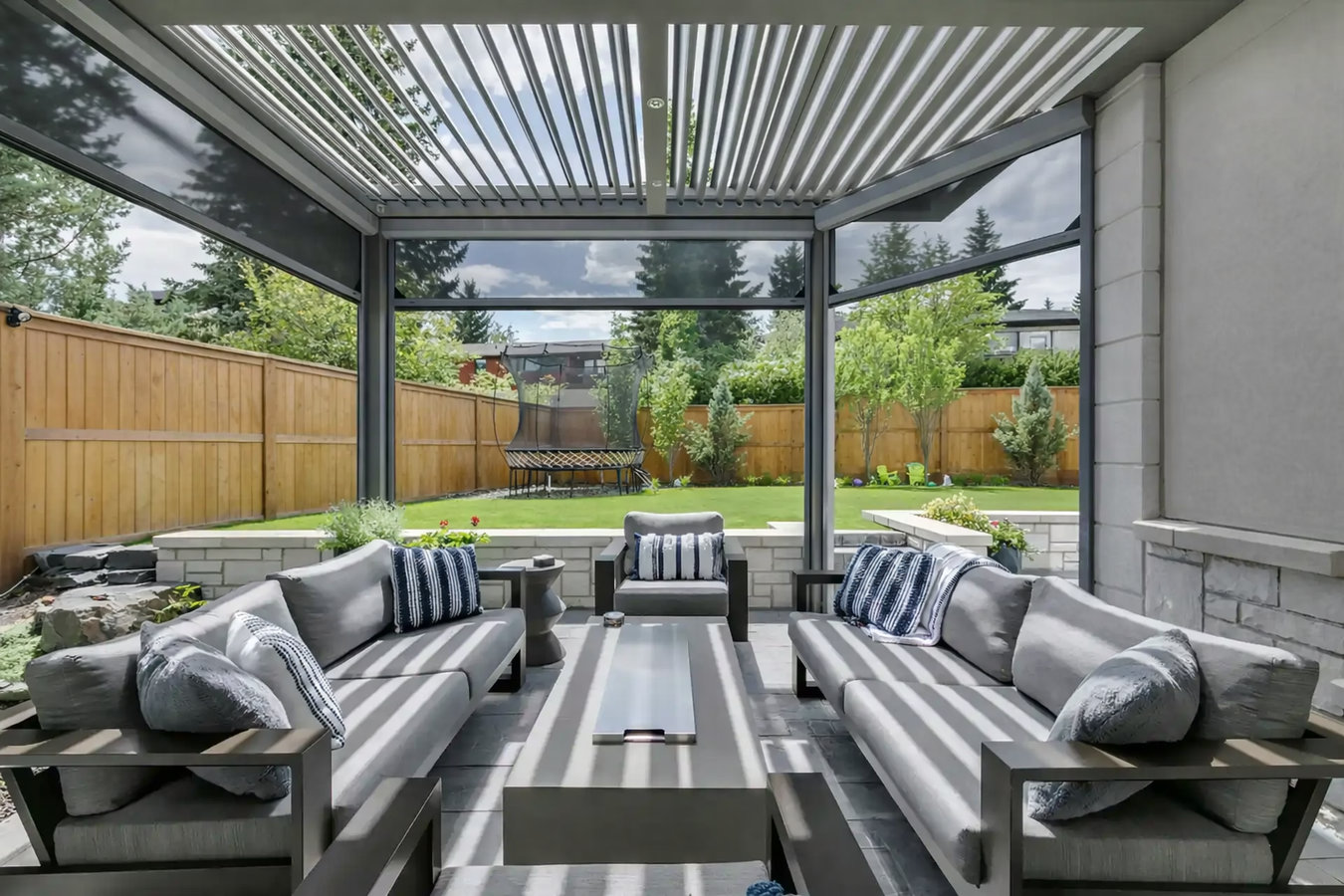
BSP Burbank Sunrooms and Patios serves Simi Valley homeowners with screen rooms, sunroom additions, and patio enclosures designed for the valley's inland heat, stucco construction, and tract-era ranch homes. We respond to every inquiry within one business day.
BSP Burbank Sunrooms and Patios serves Simi Valley homeowners with screen rooms, sunroom additions, and patio enclosures designed for the valley's inland heat, stucco construction, and tract-era ranch homes. We respond to every inquiry within one business day.
Simi Valley's warm, dry climate is almost perfect for outdoor living except for two things: the heat in summer and the bugs that come out in the evening. A screen room solves both - it keeps the breeze moving through and the insects out without requiring climate control for much of the year. Our screen room installation work on the covered patios common to Simi Valley ranch homes is particularly well suited to homeowners who want to extend the usability of their rear outdoor space without the cost of full enclosure.
Most Simi Valley homes were built between the 1960s and 1980s on lots with 6,000 to 8,000 square feet of land, and many have rear yard space that can accommodate a freestanding sunroom addition on its own foundation. At 40 to 60 years old, these homes were often designed with smaller interior square footage than modern families need - a sunroom addition fills that gap without the cost and disruption of a full structural remodel.
Ranch homes in Simi Valley commonly have a rear covered patio that connects directly to the living room or family room - already the best candidate on the lot for a patio enclosure. Enclosing this space with properly glazed walls and a sealed roof creates a protected room that extends the square footage homeowners actually use day-to-day, without the full permitting complexity of a structural addition. The enclosure also provides a meaningful thermal break between the hot backyard and the main living area during summer afternoons.
Simi Valley's long, dry summers and Santa Ana wind events in fall put painted and wood-framed structures through considerable stress - UV exposure, thermal expansion, and low-humidity air all contribute to surface cracking and finish deterioration. Vinyl framing does not absorb heat the way dark aluminum does, does not require repainting, and resists the chalking and fading that painted aluminum develops after a few inland Southern California summers. For homeowners who want a structure that holds up without annual maintenance, vinyl is the practical choice for this climate.
Simi Valley winters are mild but the inland valley location means nighttime temperatures can drop to the mid-30s Fahrenheit in December and January - cold enough that an uninsulated enclosure becomes uncomfortable at night. A four season sunroom with full insulation, low-e glazing, and a dedicated heating source handles both the summer heat and those cooler winter nights, giving homeowners a room that is genuinely usable year-round rather than just in the pleasant spring and fall months.
Many Simi Valley homeowners already have a covered rear patio with an existing concrete slab - converting that structure into a proper sunroom uses the existing foundation as the starting point and typically costs less than building from scratch on bare ground. The challenge in Simi Valley is that many of these slabs were poured 40 to 50 years ago and may have settled unevenly. We check the slab condition during the free estimate so the conversion is built on a sound footing from the start.
The majority of Simi Valley's housing stock was built between the 1960s and 1980s during the rapid tract home development that followed the opening of the 118 Freeway. At 40 to 60 years old, most of these homes have original stucco exteriors that have gone through decades of thermal cycling and ground movement, producing hairline cracks that are common throughout the city. Any sunroom addition or patio enclosure that connects to an existing stucco wall needs that stucco to be properly assessed and repaired before framing begins - otherwise the joint between new and old construction becomes a leak point within a few years of installation. The clay soils common in the valley also shift over time, which means existing concrete slabs and foundations need to be checked for settling before they are used as the base for a new structure.
The climate in Simi Valley rewards the right material choices in ways that coastal cities do not. Summers here regularly hit 95 to 100 degrees Fahrenheit and the valley gets little of the marine layer that keeps coastal communities cooler. Without low-e insulated glass on a sunroom or enclosure, the interior temperature during a July afternoon becomes unusable regardless of how well the rest of the structure is built. The Easy Fire in 2019, which burned close to residential neighborhoods in Simi Valley, also underscores that fire-resistant construction choices on exterior structures matter in this part of Ventura County - not just for safety but for insurance coverage on a permitted addition.
Our crew works throughout Simi Valley regularly, and we understand the local conditions that affect sunroom contractor work here. We pull permits from the City of Simi Valley Building and Safety Division for every project in this city, and we are familiar with the permit timeline and inspection requirements for sunroom additions and enclosures in this jurisdiction.
Simi Valley sits in a valley ringed by the Santa Susana Mountains to the south and rolling hills on the other sides. Many homeowners here commute to the San Fernando Valley or greater Los Angeles via the 118 Freeway, which means they are typically away from home during the day. We work with that reality - communicating clearly about what is happening on the jobsite each day and not requiring the homeowner to be present for most of the work. The neighborhoods around Simi Valley Town Center and out toward Wood Ranch represent different eras of the city's development, and we see both the older ranch homes in the core and the newer two-story properties in the east.
We serve neighboring communities as well, including Santa Clarita just over the hills to the east and Thousand Oaks to the west in the Conejo Valley, so our team is familiar with the conditions throughout this part of the greater Los Angeles region.
Reach us by phone or through the contact form and describe what you are looking to do. We reply to every Simi Valley inquiry within one business day to confirm details and schedule the on-site visit.
We visit your Simi Valley property, measure the space, check the slab and stucco condition, and review lot setbacks and coverage limits. You receive a written itemized estimate at no charge with no pressure to proceed.
We file the permit with the City of Simi Valley Building and Safety Division and manage the review process. Construction begins once the permit is approved and typically runs one to four weeks depending on the project type.
We schedule and pass the final city inspection before calling the project complete. You receive the permit closeout documents and a walkthrough so you understand exactly what was built and how the finished room performs.
We serve all of Simi Valley - from the older ranch homes near Town Center to the newer properties in Wood Ranch. Free on-site estimate, no obligation.
(747) 291-7068Simi Valley is a city of about 126,000 people in Ventura County, located in a valley ringed by the Santa Susana Mountains. The city incorporated in 1969 after rapid growth following the opening of the 118 Freeway, and most of its neighborhoods were developed between the 1960s and 1980s. That means the bulk of the housing stock consists of single-story ranch homes with stucco exteriors, attached two-car garages, and modest backyards - a fairly uniform building type that is now 40 to 60 years old and increasingly in need of updates and additions. Newer planned communities in the eastern part of the city, including Wood Ranch, have a different character - larger, two-story homes built in the 1990s and 2000s - but the older ranch home is the dominant housing type throughout most of Simi Valley. The Ronald Reagan Presidential Library, which sits on a hilltop above the city, is one of Simi Valley's most recognized landmarks.
Simi Valley has a high homeownership rate significantly above the California average, and median home values near $650,000 to $700,000 that reflect the city's appeal as an affordable alternative to the San Fernando Valley while remaining within commuting distance of Los Angeles. Most residents are long-term homeowners who treat maintenance and improvements as investments worth making carefully. Nearby communities served by our team include Thousand Oaks to the west in the Conejo Valley and Santa Clarita over the hills to the east, both of which share similar suburban homeowner profiles and building conditions with Simi Valley.
Call us today or submit your project details online. We serve all of Simi Valley and respond within one business day.