
Loading...
Serving Burbank, CA and surrounding areas. (747) 291-7068
Menu
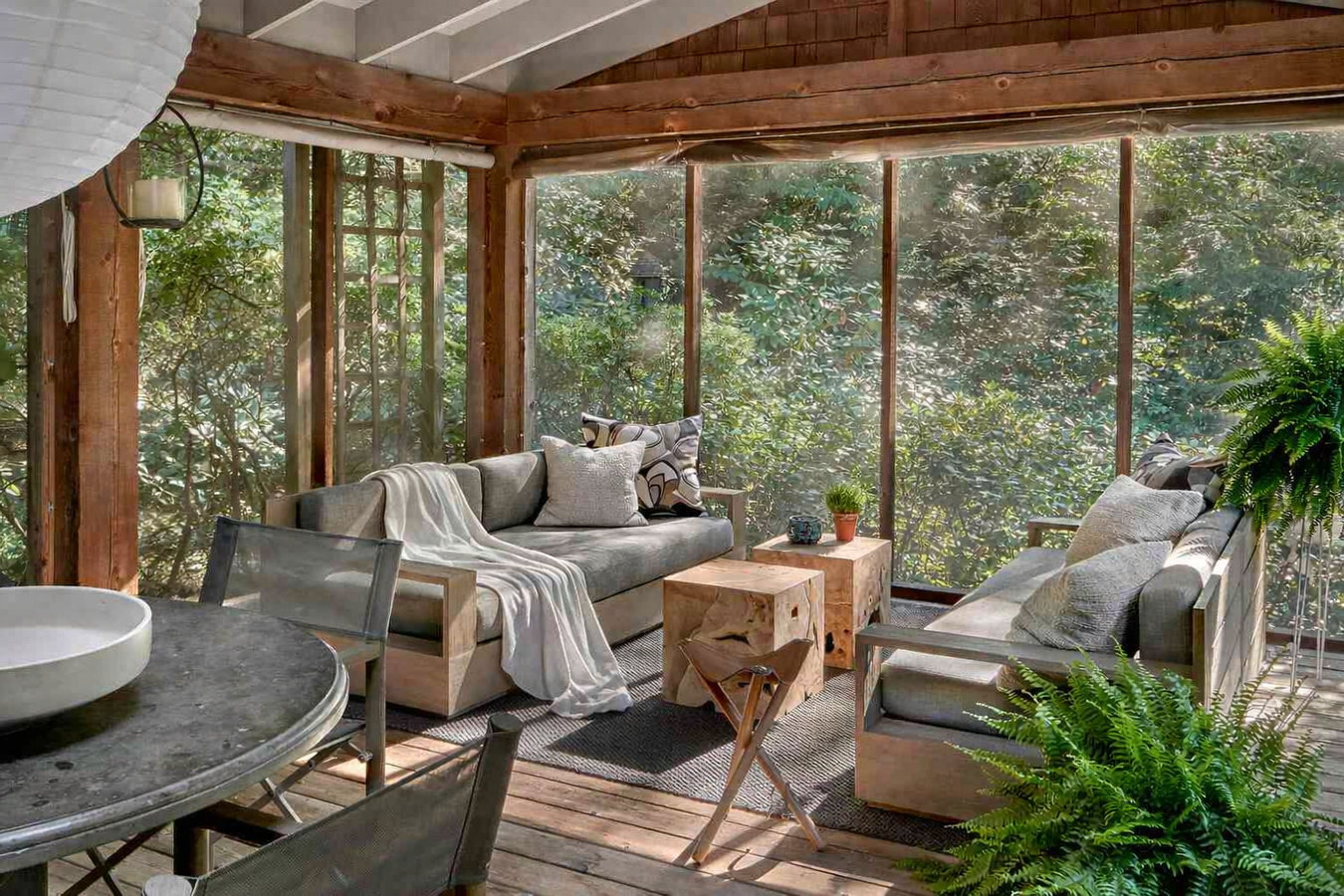
BSP Burbank Sunrooms and Patios serves Orange homeowners with enclosed patio rooms, sunroom additions, and patio enclosures built for the climate and housing stock here - from pre-1940 Craftsman homes in Old Towne to mid-century ranches across the west side. We respond to every inquiry within one business day.
BSP Burbank Sunrooms and Patios serves Orange homeowners with enclosed patio rooms, sunroom additions, and patio enclosures built for the climate and housing stock here - from pre-1940 Craftsman homes in Old Towne to mid-century ranches across the west side. We respond to every inquiry within one business day.
Many mid-century ranch homes in Orange already have a covered rear patio slab - a natural starting point for a fully enclosed room without the cost of a new foundation. Our enclosed patio rooms convert that existing covered space into a protected, weathertight room with proper walls, windows, and a roof, at a fraction of what a ground-up addition costs. We inspect every existing slab for settling and cracking before we frame anything, which matters in Orange where clay-heavy soils have been shifting under those slabs since they were poured in the 1950s and 1960s.
Orange's summers bring 280 or more sunny days per year and temperatures regularly in the mid-90s, which means an open patio sits unused through the hottest months unless it is properly shaded and screened. A patio enclosure with insulated glazing and ventilation turns a space that collects heat into one that is actually usable from late spring through early fall. For homeowners near the older neighborhoods in central Orange, we size and design enclosures to fit the character of the existing house rather than looking like an afterthought.
Orange homes on the east side near Santiago Canyon Road tend to have larger lots with room for a proper sunroom addition, while properties closer to Old Towne and Chapman University sit on tighter parcels that require careful siting. Either way, a sunroom addition is one of the most cost-effective ways to add real square footage in a city where home values consistently hover around $750,000 to $800,000. We verify setback requirements and lot coverage limits for your specific address during the estimate.
Orange has hot summers and mild but real winters, with nighttime temperatures dropping into the low 40s from December through February. A properly insulated four season sunroom with low-e glass handles both extremes - staying cool enough to use in July and warm enough to enjoy in January without running a space heater on full blast. Homeowners with south- or west-facing rear yards in Orange particularly benefit from low-e glazing, which cuts solar heat gain without blocking the natural light.
For Orange homeowners who primarily want to use the space from fall through spring - when the weather is at its most pleasant - a three season sunroom is a lower-cost entry point that covers the comfortable months well. Orange's winters are mild enough that a three season room with proper insulated walls stays comfortable on most days from October through April without a full heating system. We are straightforward about when a three season room fits the use case and when a four season design makes more sense for how the homeowner plans to use the space.
Orange averages about 280 sunny days per year, and the sustained UV exposure takes a visible toll on painted aluminum and wood-framed structures over time. Vinyl framing holds its color and finish without repainting, resists the surface chalking that painted frames develop under intense sun, and does not conduct heat the way dark aluminum does. For Orange homeowners who want a sunroom that looks good and requires minimal upkeep a decade from now, vinyl framing is a practical long-term choice for this climate.
Orange has one of the most varied housing stocks in Orange County, which makes material and design decisions more nuanced than in a city where most homes were built in the same decade. Old Towne Orange contains hundreds of Craftsman bungalows, Victorian cottages, and Spanish Colonial Revival homes built between the 1880s and 1940s - many still with original wood siding, single-pane windows, and aging foundations. The city actively protects these homes through its Historic Preservation Program, which governs what owners can change on the exterior. A contractor who doesn't know the difference between a standard permit and a Certificate of Appropriateness review can cost a homeowner weeks of delay and redesign. Outside of Old Towne, the bulk of the housing stock is mid-century stucco ranch homes built between 1950 and 1975, sitting on slabs that have been subject to clay soil movement for 50 to 70 years.
The climate adds its own layer. Orange gets around 280 sunny days per year with summer highs regularly in the mid-90s and Santa Ana wind events every fall and winter that can gust above 60 mph. That combination of sustained UV exposure, heat, and periodic high-wind events stresses exterior structures in ways that a contractor familiar only with coastal conditions may not properly account for. Low-e insulated glass is not optional on an inland Orange County project - it is the baseline specification that separates a room that stays comfortable year-round from one that collects heat from June through September. Glazing and framing specs that work fine in Santa Monica can be materially inadequate here.
Our crew works throughout Orange regularly, and we understand the local conditions that affect sunroom contractor work here. We pull permits from the City of Orange Building Safety Division and are familiar with the historic preservation review process for projects in or adjacent to Old Towne. California Title 24 energy compliance affects glazing and insulation specifications on every permitted project, and working in an inland city like Orange typically means stricter solar heat gain requirements than what coastal permit offices apply.
Orange sits at the junction of the 5, 22, and 57 freeways, which makes it easy to reach from across the greater Los Angeles and Orange County area. The city's neighborhoods range from the dense historic blocks around The Circle at Chapman and Glassell to the newer hillside developments near Santiago Canyon Road on the east side. Chapman University draws students and faculty into the surrounding neighborhoods, creating a mix of long-term owner-occupied homes and rental properties on the same blocks near Old Towne.
We also serve homeowners in neighboring Pomona to the north, where the Inland Valley heat and mid-century housing stock create similar project considerations. For a broader view of our Orange County work, see our service area page for Santa Monica on the west side of the basin.
Call us or fill out the contact form and we will respond within one business day. We cover Orange from Old Towne to the east side neighborhoods near Santiago Canyon, so there is no geographic reason for delay.
We visit the property, assess the existing slab and perimeter for clay-soil settling, and note whether your address falls within the Old Towne historic district review area. The written estimate covers all work, materials, and permit costs with no hidden fees - you will know the full number before you decide anything.
We file all permit applications with the City of Orange Building Safety Division and manage the review process, including any historic preservation coordination for Old Towne properties. Most standard permit reviews complete within one to three weeks, and we schedule construction to begin as soon as approval is in hand.
Active construction on most enclosed patio rooms and sunroom additions takes two to four weeks. We schedule and pass all required city inspections before we consider the job complete, so the work is properly documented and your homeowners insurance coverage applies to the finished structure.
We work throughout Orange - from Old Towne historic properties to east-side hillside homes. No obligation, no pressure. Just a clear written estimate.
(747) 291-7068Orange was incorporated in 1888 and is one of the older cities in Orange County. The historic core - known as Old Towne Orange - is centered on a traffic circle at Chapman Avenue and Glassell Street and contains one of the largest collections of pre-1940 homes in Southern California. Craftsman bungalows, Victorian cottages, and Spanish Colonial Revival houses from the 1880s through the 1940s line the streets within a few blocks of The Circle. Chapman University, a private university, anchors the neighborhood just east of Old Towne and brings thousands of students, faculty, and staff into the surrounding residential blocks. The mix of historic preservation requirements, owner-occupied homes, and rental properties near the university creates a distinctive maintenance environment unlike most other Orange County cities.
Outside of the historic core, the majority of Orange's roughly 140,000 residents live in mid-century ranch homes and stucco tract houses built between the 1950s and 1970s. The eastern portions of the city, near Santiago Canyon Road and the Anaheim Hills border, have larger lots and newer homes built from the 1980s through the 2000s. The city sits at the junction of the 5, 22, and 57 freeways - a position that makes it central to both Los Angeles County and Orange County markets and easy to reach from anywhere in the region. We also serve homeowners nearby in Torrance to the west and Pomona to the north, both of which share similar mid-century housing stock and inland Southern California climate conditions.
Call us today or request a free estimate online. We serve all of Orange - from Old Towne and Chapman University to the east-side hillside neighborhoods.